Cold Trafford: can a new stadium rekindle Man Utd's broken projects?
The proposed 100,000-seat home offers a vision of renewal. But with results deteriorating and a long construction timetable ahead, it cannot substitute for fixing the football.
 Andrea Michelini
3 min read
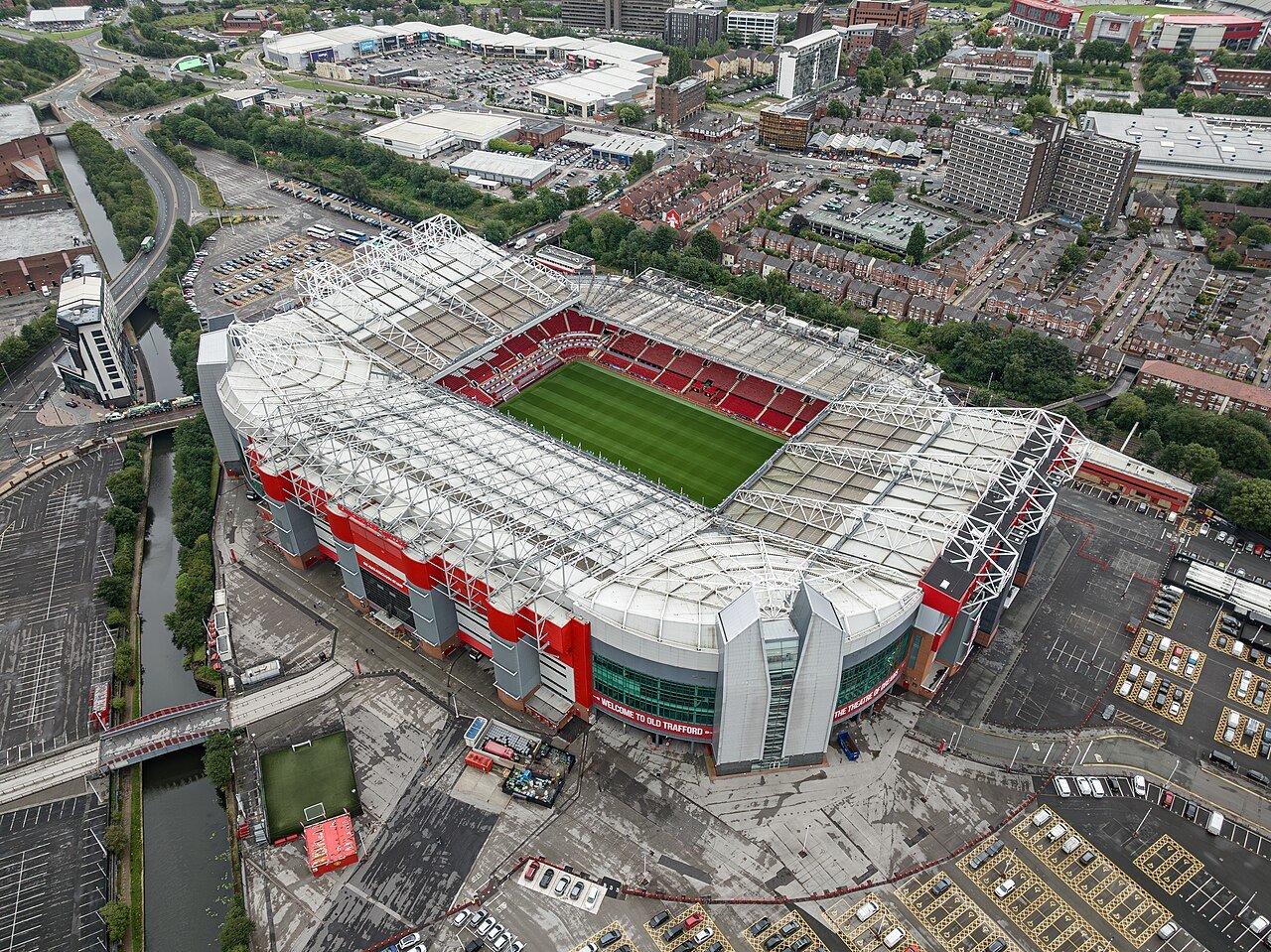
Photo: Arne Müseler / arne-mueseler.com / CC BY-SA 3.0 DE — https://creativecommons.org/licenses/by-sa/3.0/de/ ; Source: https://commons.wikimedia.org/wiki/File:Manchester_United_Old_Trafford.jpg ; resized.
Analysis | 24 October 2026
Manchester United are trying to build a future large enough to match their past. The difficulty is that their present keeps getting in the way. A proposed 100,000-seat stadium offers a powerful image of renewal, but the gap between an ambitious construction project and a functioning football team has become painfully visible.
United’s 4–1 Champions League defeat at Como on 21 October supplied the latest evidence. Sky Sports reported that the result extended their winless run to seven matches. Against that backdrop, the stadium is best understood as one part of a long-term recovery strategy, rather than a remedy for the current run of results.
A recovery that has proved fragile
There was a genuine improvement to build on. United’s September financial release records a third-place Premier League finish in 2025/26 and a return to the Champions League. That makes the subsequent deterioration particularly damaging: progress had begun to look tangible.
The financial picture is similarly mixed. The same release reported record annual revenue of £677.6 million and an operating profit of £22.6 million, alongside a £43 million loss for the year. Operating improvement and an overall loss can coexist; record sales do not mean unlimited money is available for players or construction.
The challenge is therefore broader than replacing a manager or refreshing a squad. United need sporting decisions that reinforce one another, costs they can sustain and enough credibility to persuade supporters that another reset will last.
What the stadium could change
The proposed ground would give the club a substantially larger home and an opportunity to rethink the matchday experience. Sky Sports reported in June that United had secured the majority of the required land, with the planned stadium around 350 metres from Old Trafford. The existing ground could remain in use during construction.
The commercial argument is straightforward, although its outcome is not guaranteed. More seats and better facilities could support additional ticketing, hospitality and sponsorship income. A well-designed destination could also encourage visitors to spend more time in the surrounding area. Those are potential benefits, not revenue already earned or money already available to strengthen the team.
There is a symbolic opportunity, too. A new home could demonstrate that United are investing in the club’s future. But symbolism only helps if the practical experience improves for the people who attend.
The timetable exposes the limits
The project’s timescale is crucial. In July reporting by the Press Association, United expressed hope that the stadium could be ready for the 2035 Women’s World Cup, without committing to a firm opening date. Earlier hopes of moving by 2030 were no longer considered realistic.
That report also said the final cost was not being specified, despite an earlier estimate of around £2 billion, and that the stadium would not seek public funding. The distinction matters: a headline estimate is not a settled construction budget, and a private-funding ambition does not establish that every financing agreement has been completed.
Any assessment of the project must therefore ask who supplies the capital, what return they expect and how much financial flexibility the club retains. Without those answers, claims that the stadium will solve United’s financial problems run ahead of the evidence.
Supporters must benefit from the rebuild
United’s October stadium consultation invites supporters to influence the design. The club identifies atmosphere, affordability, accessibility and tradition as priorities. These are central tests of whether the project succeeds as a football ground.
Extra capacity will mean less to supporters if ordinary tickets become harder to afford. Better hospitality should sit alongside good sightlines, accessible facilities and spaces that preserve the noise and collective identity of a home crowd. The business case and the supporter experience need to work together.
Build the stadium—and fix the football
United do not have to choose between infrastructure investment and sporting reform. Both can be necessary. But they operate on different schedules, and one cannot excuse delays in the other.
The stadium could strengthen the conditions for future success. It cannot organise a defence, establish a coherent recruitment policy or restore confidence after another defeat. Those responsibilities remain with the people running the football operation.
A new home would be a major achievement. Whether it becomes the setting for a revival depends on what United build inside the club long before the turnstiles open.
Andrea Michelini
Writer
No comments yet — be the first.