Shoot first, miss later: the NBA gives desperation a shot
The NBA’s new heave rule takes the sting out of last-second misses, giving players one less reason to protect their stats—and every reason to beat the buzzer.
 Andrea Michelini
2 min read
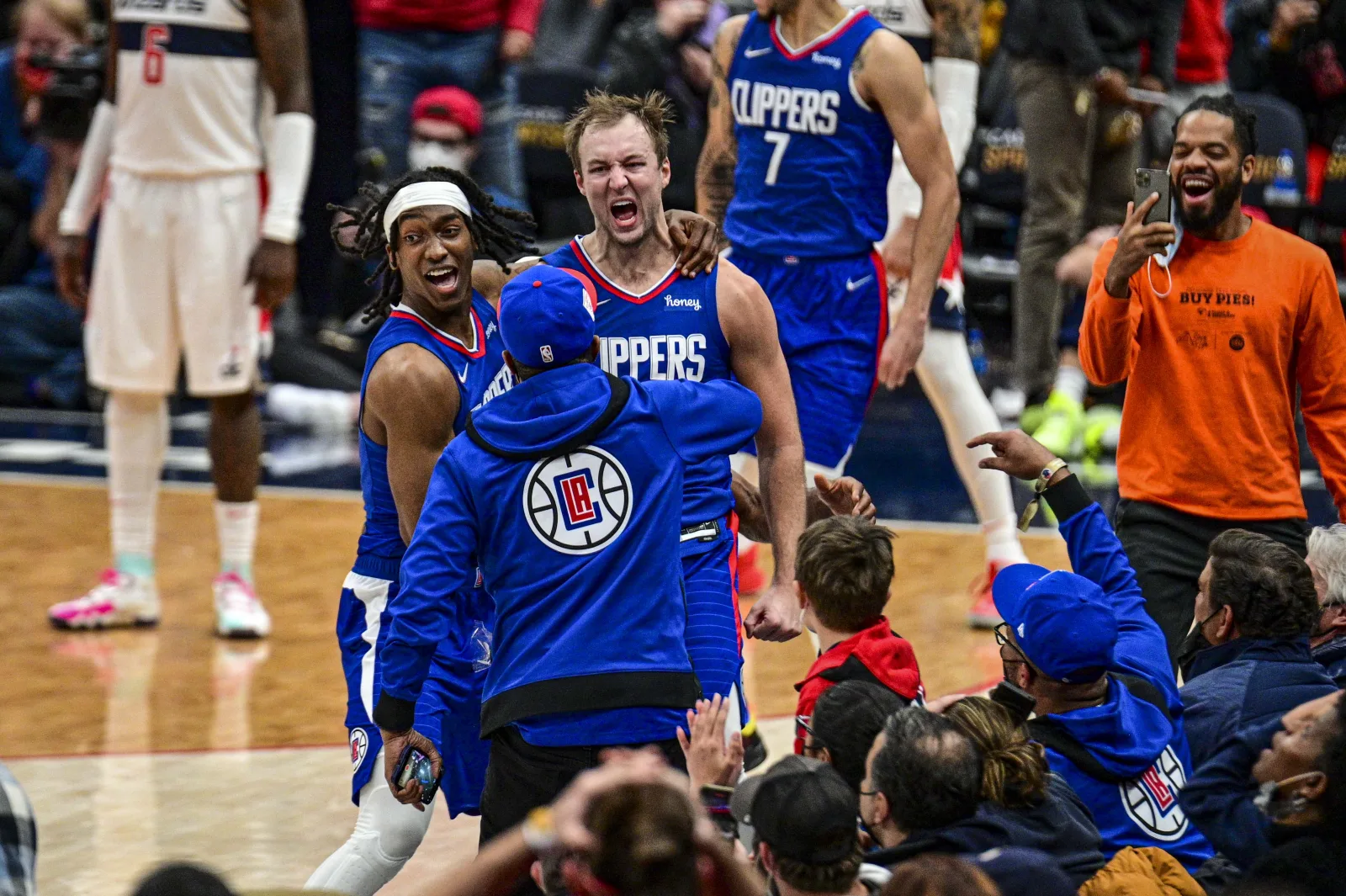
All-Pro Reels / Wikimedia Commons, CC BY-SA 2.0 (https://creativecommons.org/licenses/by-sa/2.0/). Archive photograph published January 2022.
The clock is almost empty, the basket is a very long way away and a player has a choice. Launch an unlikely shot before the buzzer, or release it just late enough that the miss does not count. The difference may be a fraction of a second, but the incentive behind it says something revealing about professional basketball.
For the 2025–26 season, the NBA changed how it records qualifying end-of-quarter heaves. As Associated Press explained in a report carried by the league, specified long-distance misses can be assigned to the team rather than the individual shooter. Successful shots still reward the player.
The qualifying conditions include distance and time: the change concerns attempts from at least 36 feet with three seconds or less remaining, under the prescribed possession conditions. It is a targeted scoring adjustment, not permission to remove any difficult miss from a player’s record.
The logic is unusually clear. A desperate attempt may offer a small chance of helping the team while making an individual shooting percentage worse if it fails. The change reduces that conflict. A player should not need to protect a personal number by allowing a live scoring opportunity to expire.
A hypothetical example makes the problem visible. A player who has made five of ten shots is shooting 50 per cent. Add one missed heave and the figure falls to roughly 45.5 per cent. The team may have lost nothing by taking the attempt, yet the individual’s line looks noticeably less efficient.
That numerical difference does not prove every player was avoiding such shots. Motives vary, and a delayed release can have an innocent explanation. It does show why the incentive existed, regardless of how often any particular player responded to it.
The distinction also matters when comparing seasons. If the definition of an individual field-goal attempt changes, an apparent improvement in percentage may partly reflect bookkeeping. The specialist project NBA Heaves explains its counting methodology, illustrating why analysts need to define exactly which shots they include before drawing conclusions.
There is a wider lesson here about sports statistics. Numbers are designed to describe performance, but once players know they are being judged through them, the numbers can influence behaviour. A measure that looks neutral on a spreadsheet can become part of the decision on court.
The NBA’s solution is modest rather than revolutionary. The basket remains the same distance away. The shot is still difficult. What changes is the individual penalty attached to trying.
That is a useful kind of rule reform: one aimed at making the sensible team decision easier to take. The crowd does not need a long explanation when a desperate shot drops. It just needs the player to let it fly before the horn.
Andrea Michelini
Writer
 Preseason to Believe? Which NBA Breakouts Are Here to Stay?

No comments yet — be the first.